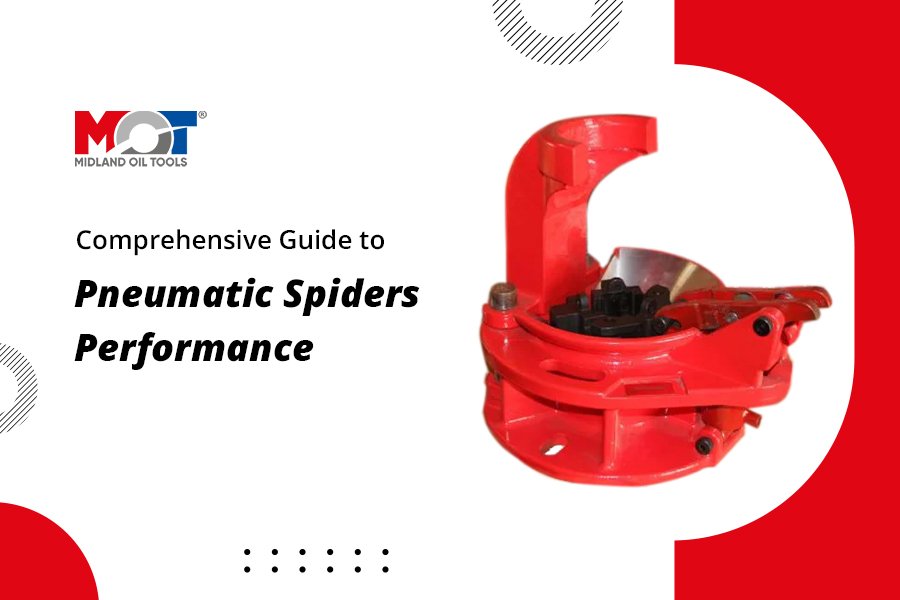
Streamlining wellbore operations requires powerful gripping equipment engineered to hold heavy pipe strings firmly at the wellhead. Deploying advanced pneumatic spiders accelerates tubular handling while reducing manual physical exertion across active drilling floors. Powered slip actuation speeds up daily tripping operations significantly, preserving overall mechanical safety while maintaining continuous operational velocity.
Partnering with Midland Oil Tool delivers access to field-tested slip equipment built for extreme loads and harsh working conditions. Integrating heavy-duty tubing spiders into your rig inventory maximizes load capacities while enhancing daily crew safety standards. Upgrading wellhead handling technology optimizes overall productivity, lowers maintenance delays, and protects vital tubular investments.
Essential Advantages of Modern Air Spiders Equipment
Automating slip engagement at the wellhead transforms routine pipe handling into a smooth, highly efficient process. High-performing air spiders utilize compressed air systems to engage and release slip bodies instantaneously with simple foot pedal controls. Fast actuation minimizes downtime between joint connections, keeping round trips fast, precise, and completely repeatable daily.
Reducing physical strain on floor crews creates a safer working environment during intense well intervention routines. Installing robust pneumatic spiders removes manual slip lifting tasks, minimizing fatigue and preventing potential back injuries among rig hands. Automated slip mechanisms maintain steady clamping forces automatically, guaranteeing continuous tubular support throughout complex drilling operations.
Precision slip inserts grip pipe surfaces securely without causing deep scoring, wall thinning, or structural stress concentrations. Quality tubing spiders accommodate multiple pipe sizes by utilizing interchangeable slip assemblies engineered for versatile wellhead applications. Uniform contact distribution prevents costly casing or tubing failures, preserving long-term string integrity across challenging wellbore depths.
Choosing Reliable Tubing Spiders for Well Operations
Selecting the right wellhead gripping system requires evaluating maximum load ratings, pipe diameters, and available rig power sources. Heavy-duty tubing spiders deliver high load capacities while fitting neatly over standard casing heads and rotary tables. Matching equipment specifications to your well depth prevents overload risks, ensuring smooth tubular management every shift.
Integrating versatile power tools allows drilling crews to handle casing, drill pipe, and production tubing effortlessly. Modern pneumatic spiders offer quick-change slip inserts that simplify size adjustments directly on the rig floor. Simple conversion procedures save valuable operating hours, allowing crews to transition between different tubular strings without delaying project timelines.
Investing in top-tier pipe handling equipment boosts overall site performance while keeping long-term operating costs completely under control. Specialized tubing spiders deliver reliable holding power, protecting valuable downhole assemblies against accidental drops. Superior engineering guarantees steady performance, helping well service crews complete complex field operations smoothly and safely.
FAQs
What Are the Benefits of Using Air Spiders in Drilling Operations?
Using air spiders speeds up pipe tripping, reduces physical crew fatigue, and minimizes risk of back injuries. Automated slip actuation ensures uniform clamping force around tubular walls, preventing slip damage while maintaining consistent operational speed.
How Do You Choose the Right Tubing Spider for Your Application?
Choose a tubing spider by evaluating total string weight, pipe diameter, wellhead space constraints, and working pressure ratings. Ensure the slip inserts fit your specific tubing size perfectly to guarantee maximum gripping safety and prevent pipe deformation.
What Is the Difference Between Pneumatic Spiders and Tubing Spiders?
Pneumatic spiders refer specifically to air-actuated slip mechanisms used for automated pipe handling. In contrast, tubing spiders define slip units tailored for production tubing, which can operate via manual, hydraulic, or pneumatic power systems.